

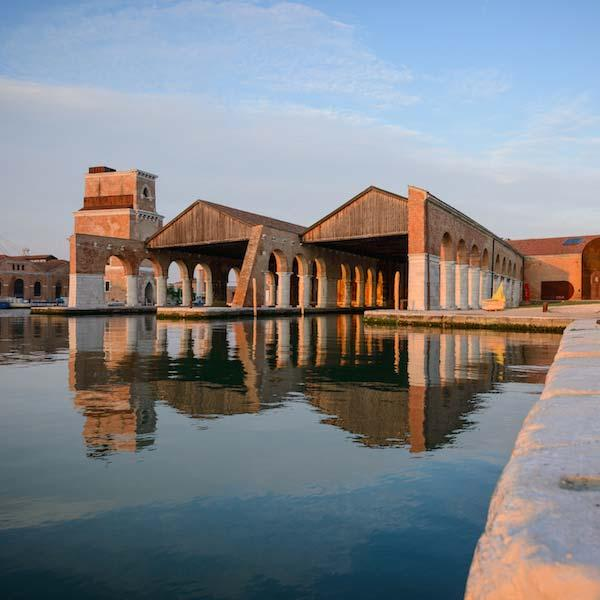
Some places do more than showcase architecture—they question it, challenge it, and redefine its role in society. Visiting the Venice Architecture Biennale is one of those rare experiences where architecture transcends buildings and becomes a global conversation.
Set between the historic Arsenale and the Giardini della Biennale, the Biennale brings together architects, thinkers, and institutions from around the world. Each pavilion represents not just a country, but a perspective—responding to social change, climate urgency, cultural identity, and the evolving relationship between people and space.
Walking through the exhibitions, you quickly realize this is not about polished final forms. It is about ideas in motion. Prototypes, research-driven installations, speculative environments, and critical narratives dominate the experience. Architecture here is presented as a tool for problem-solving, storytelling, and responsibility—not merely aesthetics.
What makes the Venice Architecture Biennale especially powerful is its relevance. Themes often revolve around sustainability, resilience, community, and the ethics of building in a rapidly changing world. You encounter projects that rethink materials, question urban growth, and explore how architecture can respond to migration, scarcity, and climate realities.
For architects and designers, the Biennale is a reminder that architecture is deeply connected to humanity. It pushes us to look beyond trends and ask harder questions:
How do our spaces serve people?
What legacy do our buildings leave behind?
And how can design act as a force for positive impact?
Leaving Venice, the takeaway is not a single style or solution—but a mindset. One that values research, context, and purpose. The Venice Architecture Biennale reinforces that architecture is not static; it is a living discipline shaped by culture, responsibility, and vision.